
Introduction
Every successful software company reaches a point where growth depends on more than a great idea. As new customers join, data increases, and applications become more complex, the technology behind the product must remain reliable and secure. This is where cloud architecture becomes a key part of long-term success. A well-planned cloud environment helps businesses deliver faster services, reduce downtime, improve security, and prepare for future expansion without rebuilding their entire platform. Whether launching a new SaaS product or improving an existing application, making smart infrastructure decisions early creates a strong foundation that supports sustainable growth.
For companies like SaaS Software Core, building enterprise-ready software means creating systems that are designed for scale from day one. Instead of treating infrastructure as an afterthought, successful venture studios focus on secure platforms, modern development practices, and cloud-native technologies that allow founders to move quickly while reducing technical risk. Effective cloud architecture planning combines scalable infrastructure, automated deployment, security, compliance, and performance optimization into one complete strategy. By investing in the right architecture early, startups can spend more time delivering value to customers and less time fixing costly technical problems later.
Why Cloud Architecture Matters for Modern SaaS Companies
Modern SaaS businesses depend on speed, flexibility, and reliability. Customers expect applications to remain available around the clock, regardless of traffic spikes or software updates. Without proper cloud architecture planning, even a promising software product can experience performance issues, security weaknesses, or expensive infrastructure costs. A strong architecture allows systems to scale automatically, balance workloads efficiently, and recover quickly from unexpected failures. These capabilities create a better customer experience while helping businesses maintain operational stability during periods of rapid growth.
Cloud architecture also supports faster innovation by giving development teams access to flexible infrastructure that adapts to changing business needs. Instead of purchasing physical servers or managing complicated hardware, teams can deploy new features, test applications, and expand services using cloud computing resources. SaaS Software Core embraces this approach by helping founders build enterprise-grade platforms with secure infrastructure, technical execution, and scalable engineering practices. This reduces development risk while accelerating the journey from product validation to sustainable recurring revenue.
Core Elements of Effective Cloud Architecture Planning
A successful cloud architecture strategy starts with choosing the right infrastructure model based on business goals. Public, private, and hybrid cloud environments each provide different advantages depending on compliance requirements, scalability needs, and operational priorities. Once the environment is selected, architects design systems that separate application components into independent services, making updates easier while improving overall reliability. This cloud-native approach supports continuous integration, automated deployments, and faster software releases without interrupting users.
Security and resilience remain equally important throughout the planning process. Identity management, data encryption, network protection, automated backups, and disaster recovery strategies work together to protect sensitive business information. Monitoring tools provide real-time visibility into application performance while automated scaling ensures resources adjust based on user demand. When these elements are integrated from the beginning, businesses avoid costly redesigns and create technology platforms capable of supporting enterprise customers with confidence. Careful planning transforms infrastructure from a business expense into a competitive advantage.
Building Scalable SaaS Platforms Through Smart Infrastructure
Scalability is one of the biggest challenges facing growing software businesses. An application that performs well with hundreds of users may struggle when serving thousands or even millions. Effective cloud architecture solves this problem by distributing workloads across multiple servers, using load balancing, caching, and containerized applications to maintain consistent performance. These technologies allow businesses to increase computing resources automatically during busy periods while reducing costs during lower demand.
SaaS Software Core focuses on helping founders avoid scalability problems before they appear. By combining enterprise engineering practices with proven multi-tenant cloud architecture, startups gain access to infrastructure designed for long-term growth rather than short-term survival. This includes secure deployment pipelines, automated testing, cloud monitoring, and optimized resource management. As customer demand increases, the platform continues delivering reliable performance without requiring disruptive infrastructure changes. This proactive strategy allows founders to focus on product innovation, customer acquisition, and business development instead of worrying about technical limitations.
Security, Compliance, and Long-Term Reliability
Security is no longer optional for software companies serving modern businesses. Customers expect their information to remain protected while regulatory standards continue becoming more demanding. Effective cloud architecture incorporates security into every layer of the platform rather than treating it as an additional feature. Secure authentication, encrypted communication, network segmentation, vulnerability monitoring, and regular security audits help reduce cyber risks while protecting valuable business assets.
Compliance also plays a significant role in enterprise software adoption. Organizations increasingly require vendors to demonstrate readiness for standards such as SOC 2 and GDPR before signing contracts. SaaS Software Core builds compliance into the technical foundation from the beginning, helping startups prepare for enterprise opportunities without major redevelopment. Reliable backup systems, automated monitoring, infrastructure redundancy, and disaster recovery planning further improve business continuity. Together, these practices create trustworthy software platforms capable of supporting regulated industries and demanding enterprise customers while maintaining high levels of availability.
Accelerating Growth with Cloud-Native Development
Cloud-native development enables software companies to release new features faster while maintaining application stability. Technologies such as containers, orchestration platforms, serverless computing, and microservices help development teams build flexible applications that evolve alongside customer needs. Instead of updating an entire system at once, developers can improve individual services independently, reducing deployment risks and minimizing downtime. Continuous integration and continuous delivery pipelines further streamline development by automating testing and software releases.
For venture studios focused on building high-growth SaaS businesses, cloud-native architecture creates measurable business advantages. Faster deployment cycles allow teams to validate customer feedback quickly while reducing engineering bottlenecks. Automated infrastructure management lowers operational costs and improves developer productivity. SaaS Software Core strengthens this process by combining institutional funding, elite engineering resources, enterprise-ready infrastructure, and validated go-to-market systems within one integrated framework. This combination helps founders transform validated software concepts into scalable companies capable of competing in demanding markets while reducing technical execution risk.
Choosing the Right Cloud Architecture Strategy for Future Success
Every software company has unique technical requirements, customer expectations, and growth objectives. The best cloud architecture strategy aligns infrastructure decisions with long-term business goals rather than short-term convenience. Successful planning begins by understanding application workloads, expected user growth, compliance obligations, and performance requirements before selecting cloud services. Regular architecture reviews also ensure systems continue supporting evolving customer needs as technologies and market conditions change.
Organizations that invest in thoughtful cloud planning gain lasting competitive advantages through improved scalability, stronger security, lower operational costs, and greater development flexibility. Instead of constantly reacting to infrastructure challenges, they build resilient technology platforms designed for continuous innovation. SaaS Software Core follows this philosophy by combining enterprise engineering, secure cloud infrastructure, compliance-focused development, and growth-oriented execution into a repeatable venture studio model. As businesses prepare for the next generation of software innovation, effective cloud architecture remains one of the most valuable investments they can make to support sustainable success.
Conclusion
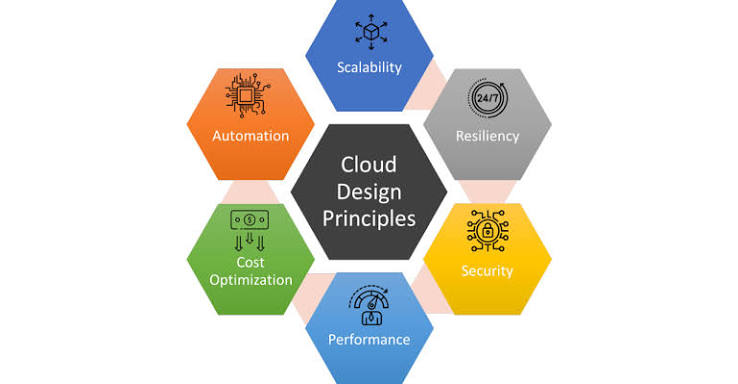
Strong software products are built on strong technical foundations, and effective cloud architecture planning provides that foundation. By focusing on scalability, security, compliance, automation, and performance from the beginning, businesses create platforms that can support rapid growth without sacrificing reliability. Cloud-native infrastructure allows development teams to innovate faster while reducing operational complexity and controlling long-term costs.
For organizations developing modern SaaS solutions, cloud architecture is far more than a technology decision—it is a business strategy that directly impacts customer satisfaction, market readiness, and future expansion. SaaS Software Core demonstrates how combining enterprise-grade engineering, secure infrastructure, venture support, and scalable cloud solutions empowers founders to transform validated ideas into high-performing software companies prepared for sustainable long-term growth.